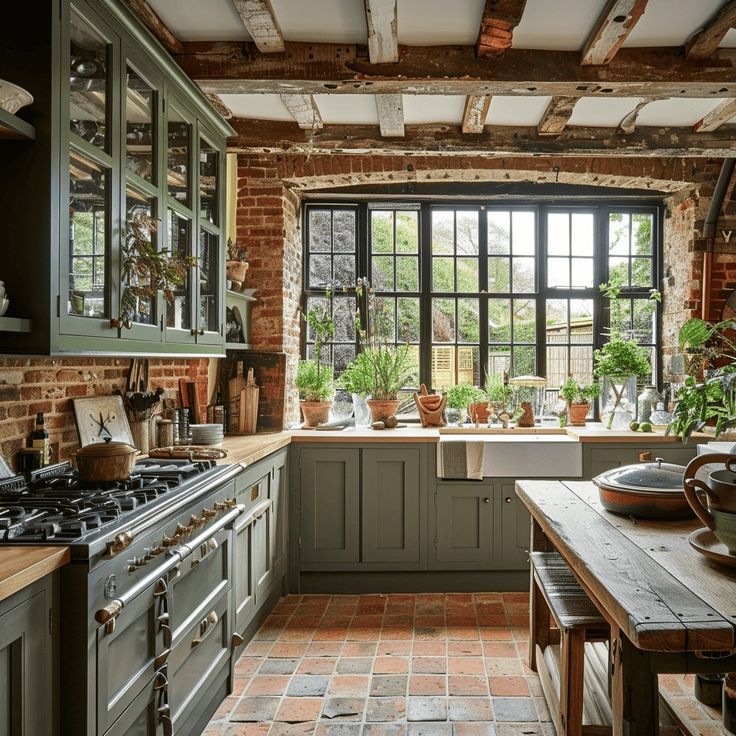
Why Historic Homes Have the Best Kitchens: A Journey Through Timeless Design
1. Craftsmanship and Quality Materials
One of the standout features of historic home kitchens is the craftsmanship that went into their creation. These kitchens were built to last, using high-quality materials like solid wood, natural stone, and cast iron. The attention to detail is evident in the custom cabinetry, hand-carved moldings, and well-constructed fixtures that have stood the test of time. Unlike many modern kitchens, which often rely on mass-produced materials, historic kitchens reflect a level of craftsmanship that adds both beauty and durability to the space.
2. Functional Design Rooted in Practicality
Kitchens in historic homes were designed with practicality in mind. These were working kitchens, built to accommodate the needs of large families and even household staff. As a result, they often feature spacious layouts with ample counter space, deep sinks, and plenty of storage—elements that are just as desirable today as they were a century ago. The design of these kitchens was driven by the need for efficiency and functionality, making them timeless spaces that still cater to modern cooking and entertaining.
3. Character and Charm in Every Corner
The kitchens in historic homes are rich in character, with each one telling a story through its design elements. Whether it’s a farmhouse sink with a weathered patina, a set of well-worn butcher block countertops, or a cozy breakfast nook bathed in natural light, these spaces exude charm that can’t be replicated in new constructions. The use of unique materials and vintage fixtures adds to the allure, creating a warm, inviting atmosphere that makes you want to linger a little longer.
4. Timeless Aesthetic Appeal
While trends in kitchen design come and go, the aesthetic appeal of historic kitchens remains timeless. The combination of classic design elements, such as subway tiles, apron-front sinks, and shaker-style cabinets, continues to inspire contemporary kitchen designs. The balance of form and function found in these kitchens ensures they never feel outdated, regardless of the passing of years. This timelessness is a testament to the enduring appeal of well-thought-out design.
5. Connection to History and Tradition
Cooking in a historic home’s kitchen offers a unique connection to the past. These kitchens have witnessed generations of family gatherings, holiday feasts, and everyday meals. The wear and tear visible in the wooden floors or the slight imperfections in the tiles are a reminder of the many stories that have unfolded in the space. This sense of history and tradition adds an intangible value to the kitchen, making it more than just a place to prepare food—it becomes a space where memories are made and cherished.
6. Inspiration for Modern Renovations
For those who love historic homes but crave modern amenities, the kitchens in these properties offer a wealth of inspiration for renovations. Homeowners often choose to update their historic kitchens with modern appliances and conveniences while preserving the original charm and character. This blending of old and new creates a unique and personalized space that combines the best of both worlds. The result is a kitchen that functions for today’s lifestyle while honoring the past.
To sum it up…
Historic home kitchens are more than just spaces for cooking—they are a journey through time, offering a glimpse into the design principles and craftsmanship of the past. Their blend of functionality, aesthetic appeal, and character makes them some of the best kitchens around. Whether you’re lucky enough to own a historic home or simply admire them from afar, there’s no denying the timeless appeal of these beautifully designed spaces.

 Vintage Nash Homes
Leave a comment